Table of Contents
- Introduction — Why This Matters
- Background / Context
- Key Specs & Terms Explained
- Comparison Table (Upcoming Phones Side-by-Side)
- Individual Breakdown
- Why This Matters (Buyer Decision Factors)
- What to Expect Next (Category Trends)
- Common Misconceptions
- Recent Developments (Last 6–12 Months)
- Real Buyer Scenarios
- Buying Tips for This Price Range
- Conclusion and Final Verdict
- FAQs
- Where to Verify Prices & Specs
- Discussion
Introduction — Why This Matters
Keeping track of which phone is launching next in Pakistan is genuinely confusing right now. Between rumor sites, leaked spec sheets, and dealer “coming soon” listings that sometimes stay “coming soon” for months, it’s hard to know what’s actually arriving, when, and roughly what it will cost once PTA tax and retailer margins are added on top.
We researched official manufacturer announcements, current Pakistani retail listings, and PTA/FBR policy updates to build this guide. Pakistan’s mobile market has also just absorbed a major policy change: as of July 1, 2026, importers can pay PTA tax on registered phones in installments rather than all at once, under the Finance Act 2026 — a real shift that affects how people plan a new-phone purchase this year. This article walks through the phones confirmed or strongly expected to launch in the coming months, what each one is likely to cost in Pakistan, and how to avoid the common traps — grey market confusion, PTA surprises, and pre-order scams — that come with buying something before it’s officially available here.
Quick Answer: If you want a flagship that’s already real and buyable, Samsung’s new Galaxy Z Fold8 and Z Flip8 (unveiled July 22, 2026) are the most immediate upcoming launch worth watching. If you can wait, the iPhone 18 Pro and iPhone 18 Pro Max, expected around September 2026, are the biggest event on the calendar. Budget and mid-range buyers should keep an eye on Xiaomi’s Redmi Note 17, expected toward the end of 2026.

Background / Context
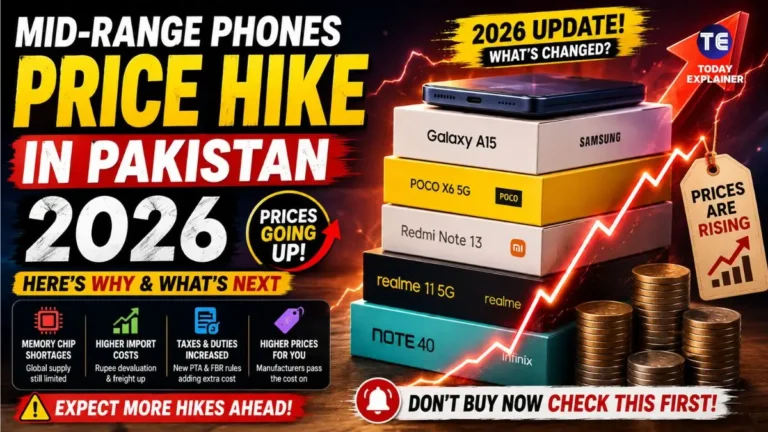
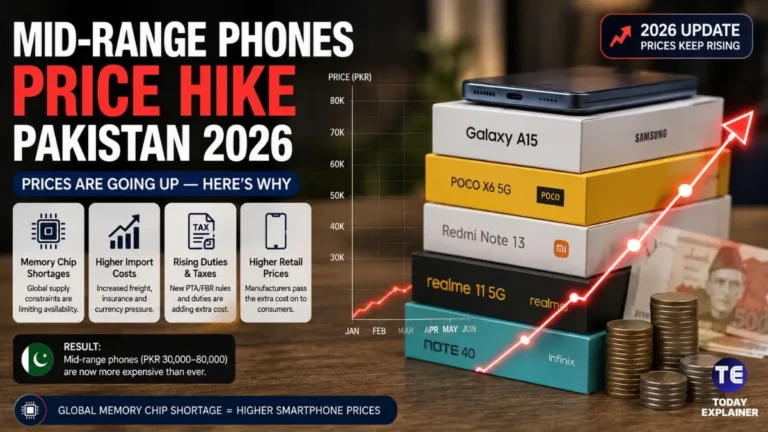
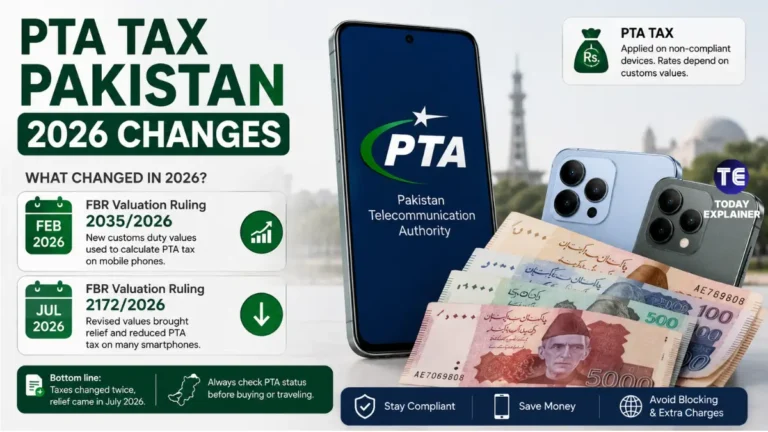
2026 has been an unusual year for the phone market, in Pakistan and globally. A sharp rise in memory chip (RAM/storage) prices industry-wide has pushed several brands, including Samsung with its new foldables, to raise prices on newer models compared to their predecessors — meaning “upcoming” doesn’t automatically mean “cheaper.” At the same time, Pakistan’s own PTA/DIRBS tax system, which every imported phone must pass through before it can use a local SIM, has seen real changes this year: FBR’s Valuation Ruling 2035/2026 (effective January 16, 2026) cut customs values on dozens of older used/refurbished models, while the Finance Act 2026 introduced the option to pay PTA tax in installments starting July 1, 2026. None of this changes how much a brand-new flagship costs — but it does change how manageable that cost is to actually pay.
Why this matters right now: several major launches are clustering in the second half of 2026. Samsung’s newest foldables just went official. Apple’s iPhone 18 event is expected in September. Xiaomi, Nothing, and OnePlus all have refreshes expected before the year is out. If you’re planning a phone purchase in the next few months, timing it around these launches — rather than buying blind — can save real money.
Key Specs & Terms Explained
Before comparing upcoming phones, it helps to understand the terms you’ll keep running into.
| Term | Simple Definition | Why It Matters for Buyers |
|---|---|---|
| PTA/DIRBS Registration | The mandatory process of registering an imported phone’s IMEI with Pakistan’s Device Identification, Registration and Blocking System so it can use local SIMs | Unregistered phones get network-blocked within 60 days; the tax you pay here can add tens of thousands of rupees to a flagship |
| Snapdragon vs. Dimensity vs. Exynos | The three main chipset (processor) families used in Android phones — Qualcomm, MediaTek, and Samsung respectively | Chipset generation affects speed, gaming performance, battery efficiency, and how many years of software updates you’ll realistically get |
| Foldable (Fold vs. Flip) | “Fold” phones open like a small book into a tablet-sized screen; “Flip” phones fold vertically like a compact mirror | Folds are better for productivity and multitasking; Flips are more pocketable but have a smaller main screen |
| LTPO OLED / AMOLED | Display technologies that allow rich colors and, in the LTPO case, a variable refresh rate that saves battery | A variable refresh rate display looks smooth during scrolling/gaming but sips less power when showing static content |
| Refresh Rate (Hz) | How many times per second the screen redraws — 90Hz or 120Hz feels noticeably smoother than the older 60Hz standard | Higher refresh rates make everyday scrolling and gaming feel far more fluid, at some cost to battery life |
| Fast Charging (Watts) | How quickly a phone’s battery can be topped up, measured in watts — higher numbers mean faster charging | A 65W–100W charger can take a phone from empty to full in well under an hour, versus 1.5–2 hours on older 18W chargers |
| RAM/Storage Variant | The amount of working memory (RAM) and permanent storage a specific model comes with, e.g., 8GB/256GB | Higher variants cost more but matter for multitasking, app-heavy use, and how long a phone stays comfortable to use |
| Grey Market Phone | A phone imported and sold outside a brand’s official Pakistani distribution channel, usually without PTA registration already done | Often cheaper upfront, but the buyer — not the seller — is usually the one who has to sort out PTA registration and warranty gaps |
Comparison Table (Upcoming Phones Side-by-Side)
Prices below are estimates based on international pricing, exchange rates, and typical Pakistani retail patterns for each brand’s past launches — not confirmed Pakistan pricing unless stated otherwise. Prices last checked July 2026 and may vary by retailer.
| Phone | Status | Expected Pakistan Availability | Estimated Price (PKR) | Category |
|---|---|---|---|---|
| Samsung Galaxy Z Fold8 / Z Fold8 Ultra | Unveiled globally July 22, 2026; shipping from Aug 7, 2026 | Weeks to a few months after global release | ~400,000–650,000+ (foldable flagship tier) | Foldable |
| Samsung Galaxy Z Flip8 | Unveiled globally July 22, 2026; shipping from Aug 7, 2026 | Weeks to a few months after global release | ~280,000–350,000 | Foldable |
| Apple iPhone 18 Pro / Pro Max | Expected to be announced early-to-mid September 2026 | Typically within days to a few weeks of the global launch | ~450,000–650,000+ | Flagship |
| Apple Foldable iPhone | Rumored for the same September 2026 event | Unclear; likely limited initial availability | Likely 700,000+ | Foldable (unconfirmed) |
| Xiaomi Redmi Note 17 | Rumored/expected; GSMA filing already spotted | Expected around late 2026 | ~75,000–85,000 (base variant) | Mid-range |
| Nothing Phone 4 | Expected August–September 2026 | Historically available in Pakistan within a few weeks of global launch | ~90,000–130,000 (estimate, pending official pricing) | Mid-to-upper mid-range |
| OnePlus 16 | Expected alongside new Qualcomm chipsets, likely September 2026 | OnePlus has a smaller but active presence in Pakistan | ~150,000–200,000 (estimate) | Flagship |
| Google Pixel 11 / Pixel 11 Pro | Expected around Apple’s usual autumn Pixel event window | Historically limited/import-only in Pakistan | Import-dependent | Flagship |
Buying Tip: Don’t pay a deposit for any of these phones based on a “coming soon” listing alone. Wait until a retailer can show you an official brand announcement or a real, in-hand unit before committing money — Pakistani marketplaces see a spike in fake pre-order listings every time a major phone is rumored.
Individual Breakdown
Samsung Galaxy Z Fold8 & Z Fold8 Ultra — Samsung’s Thinnest, Priciest Foldables Yet

- Status in Pakistan: Officially unveiled at Samsung’s July 22, 2026 Unpacked event in London; global shipping begins August 7, 2026. Pakistan launch typically follows Samsung’s global rollout by a few weeks to a couple of months, based on past Z Fold releases.
- Key Expected Specs: Ultra-thin unfolded profile (Samsung says the Fold8 Ultra measures around 4.1mm unfolded), an expansive roughly 8-inch main display, a new “Wide” form-factor variant alongside the standard Fold, and Samsung’s newest chipset options.
- What Stands Out: This is the first time Samsung has used “Ultra” branding on a foldable, signaling it wants the Fold line taken as seriously as the Galaxy S Ultra series. The thinness and a genuinely new “Wide” shape make this feel like more than a yearly refresh.
- Where It Falls Short: Samsung has raised prices on this generation due to rising memory chip costs, so buyers hoping for a cheaper foldable will be disappointed. Foldables also remain harder to repair and more exposed to dust/moisture than a regular slab phone.
- Best For: Buyers who want a genuine productivity device — a phone that becomes a small tablet — and don’t mind paying a premium for it.
- Pros:
- Thinnest Fold-series design Samsung has shipped
- New “Wide” variant gives buyers a genuine choice of form factor
- Strong likely resale value given Samsung’s dominant foldable market share
- Cons:
- Expected to be more expensive than the outgoing Z Fold7 once it reaches Pakistan
- Official Samsung Pakistan pricing and PTA duties will stack, pushing the real cost well above the global sticker price
- Foldable hinge/screen protector replacement costs remain high locally
Samsung Galaxy Z Flip8 — The Pocketable Foldable Gets an AI Push
- Status in Pakistan: Unveiled alongside the Fold8 series on July 22, 2026; global shipping from August 7, 2026.
- Key Expected Specs: A refreshed FlexWindow (the outer cover screen) with more built-in AI features, and Samsung’s usual flip-phone compactness.
- What Stands Out: Samsung is leaning hard into making the outer cover screen genuinely useful — not just a notification strip — with more AI-driven shortcuts baked in.
- Where It Falls Short: Flip phones still trail standard slab phones on battery life and durability, and Samsung’s flip line has historically launched in Pakistan at a premium versus its price in markets like the US or UAE.
- Best For: Buyers who want a distinctive, compact phone and are willing to trade some battery life and repair convenience for it.
- Pros:
- More capable outer screen than previous Flip generations
- More compact than any Fold-series device or standard flagship
- Strong brand recognition and resale value in Pakistan’s Samsung-heavy market
- Cons:
- Smaller battery than a comparably priced standard flagship
- Official Pakistan pricing not yet confirmed at time of writing
- Premium pricing versus non-foldable phones with similar chipsets
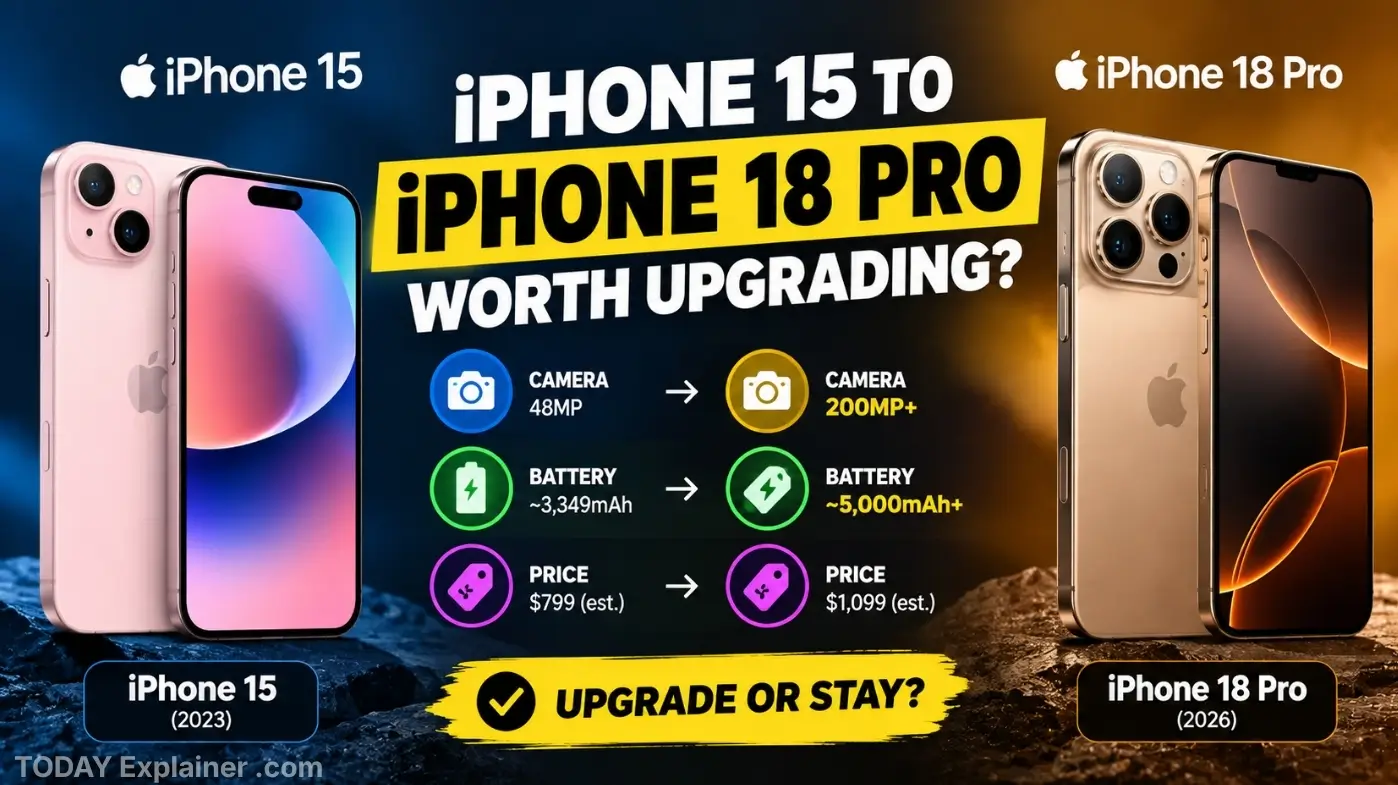
Apple iPhone 18 Pro & iPhone 18 Pro Max — Apple’s Biggest Launch-Calendar Change in Years
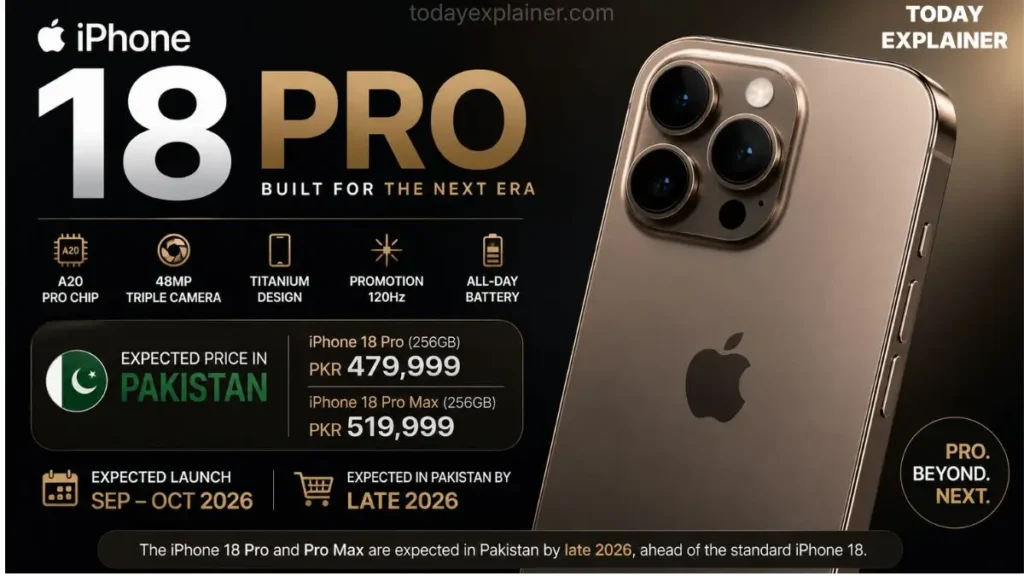
- Status in Pakistan: Not yet launched anywhere. Widely expected to be announced in the first half of September 2026, with the standard iPhone 18 and 18e delayed to spring 2027 — a genuine change to Apple’s usual all-at-once September release pattern.
- Key Expected Specs (rumored, not confirmed): A new A20 chip built on a 2-nanometer process, a smaller Dynamic Island, an updated camera system, and a possible jump in RAM.
- What Stands Out: Apple splitting its lineup across two separate launch windows is the real story here — Pakistani buyers who usually wait for the standard iPhone will need to wait significantly longer than usual, since it won’t arrive until roughly six months after the Pro models.
- Where It Falls Short: Historically, iPhone launch-day pricing in Pakistan runs well above the US sticker price once PTA tax, GST, and dealer margins are factored in — the outgoing iPhone 17 Pro Max, for comparison, retails locally in the mid-500,000s PKR range.
- Best For: Buyers who specifically want Apple’s top-tier camera and chip performance and are comfortable paying a premium for a launch-window device.
- Pros:
- A20 chip on 2nm process should bring a real efficiency jump
- Apple’s ecosystem (AirDrop, iMessage, Apple ecosystem lock-in) remains a strong draw for existing iPhone users
- Strong resale value historically, even years after launch
- Cons:
- Nothing officially confirmed yet — all specs remain rumors until Apple’s event
- The base iPhone 18 (the more affordable model most Pakistani buyers actually purchase) won’t arrive until spring 2027
- PTA tax on a phone in this price bracket is substantial
Xiaomi Redmi Note 17 — The Next Mainstream Mid-Ranger

- Status in Pakistan: Not yet launched; a device matching this name has already appeared in a GSMA database filing, and Xiaomi is expected to skip the “Note 16” name entirely to align its numbering with the flagship Xiaomi 17 series.
- Key Expected Specs (rumored): A large roughly 7-inch OLED display, at least 120Hz refresh rate, Android 16 with HyperOS 3, and continuity with the strong battery life the Redmi Note series is known for in Pakistan.
- What Stands Out: The Redmi Note series is consistently one of the best-selling mid-range lines in Pakistan, and Xiaomi has a track record of pricing these aggressively against Samsung’s A-series and Infinix’s Note-series competitors.
- Where It Falls Short: Until Xiaomi confirms specs, there’s a real risk that early “Redmi Note 17” listings online are speculative or even inaccurate — treat pre-launch spec sheets with caution.
- Best For: Students, everyday users, and anyone who wants Samsung/Apple-adjacent display quality without flagship pricing.
- Pros:
- Redmi Note series has an established track record of value for money in Pakistan
- Expected large, high-refresh-rate display
- Xiaomi has strong local retail presence (Mi Store, authorized resellers)
- Cons:
- No confirmed launch date yet — expected around the end of 2026
- Specs and pricing are still rumor-stage
- Recent Redmi Note 15 pricing suggests the Note 17 will likely launch above Rs. 70,000, not in the true budget tier
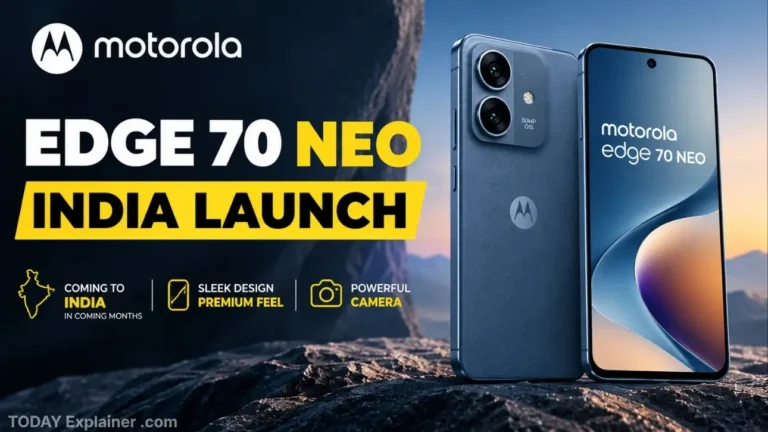
Nothing Phone 4 — The Design-Forward Challenger
- Status in Pakistan: Not yet launched; expected globally around August–September 2026, following the pattern set by the Nothing Phone 3.
- Key Expected Specs: Nothing is expected to continue refining its distinctive transparent-back, Glyph-lighting design language, alongside sub-brand devices like the CMF Phone 3 and a possible “One 3 Pro.”
- What Stands Out: Nothing remains one of the few brands actively trying to make Android phones look and feel different from the Samsung/Xiaomi template, which has earned it a small but loyal following among Pakistani tech enthusiasts.
- Where It Falls Short: Nothing’s retail footprint in Pakistan is smaller than Samsung’s or Xiaomi’s, meaning official warranty support and accessory availability can be patchier.
- Best For: Buyers who want a phone that looks and feels different from the mainstream and don’t mind a smaller local support network.
- Pros:
- Distinctive design that stands out from typical Android slabs
- Clean, close-to-stock Android software experience
- Growing sub-brand lineup (CMF) offers more budget-friendly design-forward options
- Cons:
- Pricing history in Pakistan has been unpredictable model to model
- Smaller service network compared to Samsung or Xiaomi
- No official specs or pricing confirmed for the Phone 4 yet
Why This Matters (Buyer Decision Factors)
Timing your purchase around a launch
Buying right before a new flagship launches often means paying full price for last year’s model just weeks before it drops. If you can wait a few weeks past a rumored launch date, you’ll usually get a clearer picture of real Pakistani pricing and can decide whether the outgoing model, now likely discounted, actually suits you better.

PTA tax changes the real cost of “upcoming” more than the sticker price does
A phone that costs $999 internationally can easily cost Pakistani buyers well over PKR 450,000 once PTA tax, GST, and dealer margins are added — often nearly double the raw currency conversion. This is especially relevant for imported flagships like the iPhone 18 Pro or Galaxy Z Fold8, which most buyers will bring in or buy through import channels before official Pakistani retail catches up.
Foldables vs. flagships vs. mid-range: what actually matters
A foldable buys you screen real estate and a genuine “wow” factor, but at a real cost premium and some durability trade-offs. A standard flagship (iPhone 18 Pro, OnePlus 16) buys you the best camera and chip performance without the fold mechanism’s compromises. A mid-ranger (Redmi Note 17) buys you 80–90% of the everyday experience at a fraction of the price — which is why it remains the most popular category in Pakistan by volume.
Grey market vs. waiting for official launch
Grey-market units of an unreleased phone (brought in early via personal import) let you skip the wait, but you take on the PTA registration cost and hassle yourself, and warranty support is inconsistent. Waiting for an official Pakistani launch (where a brand exists locally, like Samsung or Xiaomi) usually means a slightly later start date but a smoother ownership experience.

Buying Tip: If you’re set on an unreleased flagship the moment it’s available, budget for PTA tax as a separate line item from day one — it’s not a rounding error, and installment payment (available from July 1, 2026) can make it far easier to manage without derailing your budget.
What to Expect Next (Category Trends)
- Foldables are becoming a genuine mainstream category, not a novelty. Samsung’s new “Ultra” Fold branding and Apple’s rumored first foldable iPhone both suggest foldables are moving from niche to a real flagship tier over the next year.
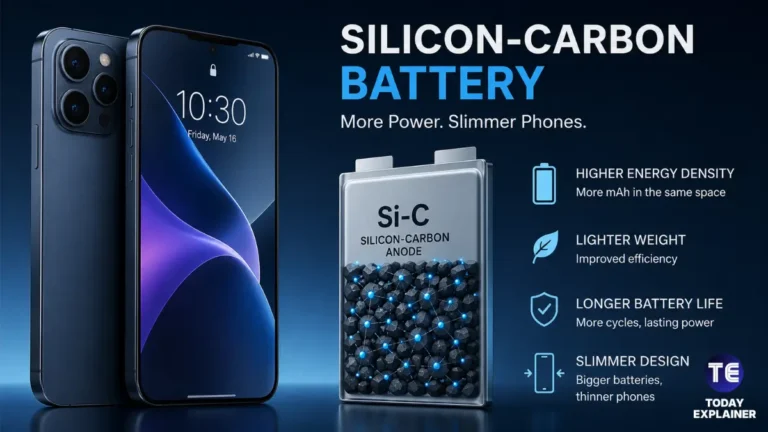
- Memory chip prices are pushing phone prices up industry-wide, which means “upcoming” doesn’t guarantee “cheaper” — buyers should expect flagship prices to hold steady or rise rather than fall in the near term.
- Apple’s split iPhone launch calendar (Pro models in September, standard models pushed to spring) is likely to repeat in future years, according to reports citing Apple’s own planning — worth remembering if you always wait for the “regular” iPhone.
Common Misconceptions
Myth: Waiting for a new phone to launch means the old model’s price will crash overnight in Pakistan. Reality: Local retailers usually discount the outgoing model gradually over weeks or months, not the day a successor launches — and grey market prices sometimes lag even further behind.
Myth: A “coming soon” listing on a Pakistani retail site means the phone has an official, confirmed local launch date. Reality: Many “coming soon” or “expected price” listings are speculative, built from international rumors, and can be inaccurate or premature.
Myth: Grey market phones brought in before an official Pakistani launch are just as safe as officially imported units. Reality: Grey market units still need PTA/DIRBS registration to work on local SIMs, and buyers typically bear that entire cost and process themselves, with no dealer support if something goes wrong.
Myth: Higher RAM numbers always mean noticeably better real-world performance. Reality: Chipset generation and software optimization usually matter more than raw RAM count once a phone has a reasonable baseline (8GB or more for most everyday use).
Myth: Foldable phones are only for people who want to show off. Reality: For people who genuinely multitask — reading, note-taking, split-screen work — a Fold-style device can be a legitimate productivity upgrade, not just a novelty.
Myth: PTA tax is a fixed, unchanging amount for every phone. Reality: PTA/FBR valuations change over time (as seen with the January 2026 valuation ruling), and the amount depends on the phone’s assessed value, registration method (CNIC vs. passport), and current exchange rates.
Myth: Pre-ordering an unreleased phone through a Pakistani reseller guarantees you’ll get it on launch day. Reality: Many Pakistani resellers rely on grey-market import channels themselves, and “pre-order” dates can slip well past a phone’s actual global release.
Recent Developments (Last 6–12 Months)
- January 16, 2026: FBR’s Valuation Ruling 2035/2026 took effect, cutting customs values by 32–89% on 62 used/refurbished phone models, including several iPhone and Samsung generations — though newer, unreleased models are unaffected.
- February 25, 2026: Samsung’s Galaxy S26 series officially launched in Pakistan, with the base Galaxy S26 retailing from roughly Rs. 297,999–331,999 depending on retailer and storage variant.
- June 23, 2026: Pakistan’s National Assembly approved the Finance Bill 2026-27, formally allowing PTA tax on imported phones to be paid in installments.
- July 1, 2026: The installment-payment facility for PTA tax officially took effect under the Finance Act 2026.
- July 22, 2026: Samsung held its Galaxy Unpacked event in London, unveiling the Galaxy Z Fold8, Z Fold8 Ultra, and Z Flip8, with global shipping starting August 7, 2026.
- Ongoing (mid-2026): Rumors solidified around Apple’s split iPhone 18 launch, with Pro models expected in September 2026 and standard models pushed to spring 2027 — a notable break from Apple’s usual all-at-once release pattern.
Real Buyer Scenarios
The overseas Pakistani planning a visit home. Someone working abroad wants to bring back a new iPhone 18 Pro when they visit family in the fall. Because they’ll register it as a traveler, they should budget for PTA tax at the point of registration and confirm the 60-day registration window so their SIM doesn’t get blocked after the visit ends.
The university student upgrading a mid-range phone. A student currently using an older Redmi Note wants their next phone to last a few years for classes, note-taking, and light gaming. Rather than rushing to buy now, waiting for the Redmi Note 17 (or buying a discounted Redmi Note 15 once the 17 launches) likely gives the best value.
The tech enthusiast deciding between a flagship and a foldable. Someone with a flagship-level budget is torn between a standard flagship like the OnePlus 16 and Samsung’s new Z Fold8. If multitasking and screen size matter more than pocketability and price, the Fold8 is the better fit — but they should budget meaningfully more for it, plus higher long-term accessory and repair costs.
These are illustrative scenarios meant to show how different priorities lead to different choices — not real customer testimonials.
Buying Tips for This Price Range
- Never pay a full deposit based on a rumor. Wait for an official brand announcement or a retailer who can show you a real unit before committing money.
- Check PTA registration status before buying, not after. Ask specifically whether a phone is already PTA-approved or whether you’ll need to register it yourself.
- Use the installment tax option if it eases your budget. Since July 1, 2026, PTA tax on imported phones can be paid in installments rather than as one lump sum, as long as all installments are cleared within the same financial year.
- Compare official brand pricing against grey market before assuming grey market is cheaper. Once PTA tax and registration hassle are factored in, the gap is often smaller than it looks.
- Buy from authorized resellers for warranty peace of mind, especially for expensive or newly launched devices where support and genuine parts matter most.
- Set a price alert instead of checking manually every day on legitimate Pakistani price-tracking sites, since prices shift often in the weeks after any major launch.
- Don’t assume “expected price” listings are final — treat any pre-launch pricing you see as a rough estimate until the brand confirms it locally.
Conclusion and Final Verdict
Best overall pick if you can wait: The iPhone 18 Pro/Pro Max, once officially available, for buyers who want the strongest all-round flagship experience and don’t mind Apple’s premium.
Best foldable: The Samsung Galaxy Z Fold8 (or Z Fold8 Ultra for the top tier), now officially unveiled and shipping globally from August 7, 2026 — the most “real,” least speculative upcoming launch on this list.
Best value once launched: The Xiaomi Redmi Note 17, for buyers who want a strong mid-range experience without flagship pricing, though its exact specs and pricing remain unconfirmed for now.

Best for buyers who want something different: The Nothing Phone 4, for its distinctive design language, provided you’re comfortable with a smaller local support network.
The Bottom Line: No upcoming phone is worth pre-ordering blind based on rumors alone, and in Pakistan specifically, PTA tax and retailer margins usually matter more to your final price than which brand you pick. Wait for official confirmation, budget for tax separately from the sticker price, and match the category — foldable, flagship, or mid-range — to how you’ll actually use the phone rather than to hype around a launch date.
FAQs
Q: When will the iPhone 18 launch in Pakistan? A: Apple hasn’t confirmed a date yet. The iPhone 18 Pro and Pro Max are expected to be announced in September 2026, with Pakistani availability typically following within days to a few weeks of the global launch.
Q: Is the Samsung Galaxy Z Fold8 already available in Pakistan? A: Not yet as of this writing. It was unveiled globally on July 22, 2026, with worldwide shipping beginning August 7, 2026; official Pakistani retail availability usually follows Samsung’s global rollout by a few weeks to a couple of months.
Q: Will the standard iPhone 18 launch at the same time as the iPhone 18 Pro? A: No. Reports indicate Apple is splitting this generation’s launch, with the Pro models arriving in September 2026 and the standard iPhone 18 (plus the 18e) delayed to around spring 2027.
Q: How much PTA tax will I pay on a new flagship phone? A: It depends on the phone’s assessed customs value, your registration method (CNIC or passport), and current exchange rates. Use the official PTA DIRBS portal or a trusted tax calculator for an up-to-date estimate rather than relying on last year’s figures.
Q: Can I now pay PTA tax in installments? A: Yes. As of July 1, 2026, under the Finance Act 2026, individuals can pay PTA tax on imported phones in installments, provided all installments are paid before the end of the financial year in which the phone was imported.
Q: Is it worth waiting for the Redmi Note 17 instead of buying the Redmi Note 15 now? A: If your current phone can hold on a few more months, waiting makes sense — you’ll get either the newer model or a discounted Note 15 once the 17 launches. If you need a phone immediately, the Note 15 remains a solid, already-available option.
Q: Are foldable phones reliable enough for everyday use in Pakistan’s climate? A: Modern foldables from Samsung have improved dust and moisture resistance generation over generation, but they’re still more delicate than a standard slab phone, and local repair costs for hinges or inner screens remain high.
Q: Should I buy an unreleased phone through a “pre-order” from a local reseller? A: Be cautious. Many resellers rely on grey-market import channels, and pre-order dates can slip well past the phone’s actual global release — only commit money once you can verify a real, confirmed source.
Q: What’s the safest way to buy an upcoming phone the moment it launches? A: Buy from the brand’s official Pakistani channel (Samsung Pakistan, authorized Apple/Xiaomi resellers) where possible, since these units typically come already PTA-compliant with full local warranty support.
Q: Does buying a phone abroad and bringing it to Pakistan save money even with PTA tax? A: It can, especially for overseas Pakistanis using the passport registration or annual personal-use exemption, but you should calculate the total cost (device price plus PTA tax) rather than comparing the sticker price alone.
Q: Will the Nothing Phone 4 be officially sold in Pakistan? A: Nothing has a smaller but active presence in Pakistan through third-party resellers; official, brand-backed availability isn’t guaranteed the same way it is for Samsung or Xiaomi, so check for authorized sellers before buying.
Q: How accurate are “expected price” listings for phones that haven’t launched yet? A: Treat them as rough estimates only. They’re usually built from international pricing and past launch patterns from the same brand, not confirmed local pricing.
Q: Is it better to buy last year’s flagship once a new one launches? A: Often yes, for value-conscious buyers — outgoing flagships typically see real price drops within weeks to months of a successor’s launch, while offering nearly the same day-to-day experience.
Q: Do locally assembled phones avoid PTA import tax? A: Yes. Phones assembled locally in Pakistan (some Infinix, Tecno, and Samsung models) are already DIRBS-approved and are not subject to the same import tax as devices brought in from abroad.
Q: What happens if I don’t register an imported phone with PTA in time? A: Pakistani cellular networks (Jazz, Zong, Telenor, Ufone) will be blocked on the device after the registration window closes, though Wi-Fi functions will still work.
Q: Where can I check my phone’s PTA registration status? A: Dial *#06# to get your IMEI, then check its status via SMS to 8484 or directly on the official DIRBS portal at dirbs.pta.gov.pk.
Where to Verify Prices & Specs
- GSMArena — for official and leaked technical specifications
- WhatMobile and PriceOye — for daily-updated Pakistani retail pricing
- Samsung Pakistan and Apple’s official site — for confirmed local pricing once a phone officially launches
- PTA’s DIRBS portal (dirbs.pta.gov.pk) — for official mobile registration and tax information
Discussion
- Are you planning to wait for one of these upcoming launches, or buy something available right now — and why?
- Does PTA tax change which phone you’d actually choose, or just how you budget for it?
- Which matters more to you for your next phone: a completely new form factor like a foldable, or the best possible value in a mid-range device?