Table of Contents
- Introduction — Why This Matters
- Background / Context
- Key Specs & Terms Explained
- Comparison Table (200MP vs 50MP Phones Side-by-Side)
- Individual Breakdown
- Why This Matters (Buyer Decision Factors)
- What to Expect Next (Category Trends)
- Common Misconceptions
- Recent Developments (Last 6-12 Months)
- Real Buyer Scenarios
- Buying Tips for This Price Range
- Conclusion and Final Verdict
- FAQs
- Where to Verify Prices & Specs
- Discussion
Introduction — Why This Matters
Walk into almost any mobile market in Lahore, Karachi, or Faisalabad and you’ll hear the same sales pitch: “Yeh 200MP camera hai, bohat zabardast hai.” A bigger megapixel number sounds like a bigger win, so it’s a natural assumption that a 200MP phone camera will always beat a 50MP one. In reality, that’s often not true — and understanding why is one of the most useful things a phone buyer in Pakistan can learn before spending their money.
We researched official specifications, current Pakistani retail prices, and verified user feedback to build this guide. Camera sensor technology has become one of the most misunderstood specs on a spec sheet, right up there with RAM and “AI features.” According to sensor manufacturers like Samsung and Sony, the industry has moved toward smaller individual pixels packed at higher counts precisely because raw pixel count sells phones — even when it doesn’t always translate to better real-world photos, especially indoors or after sunset.
This guide breaks down what pixel binning actually is, why sensor size matters more than most buyers realize, and which specs actually predict a good camera experience — not just a good spec sheet. We’ll compare real phones sold in Pakistan, explain the science in plain language, and give you a framework to judge any camera phone going forward, long after this article’s specific model recommendations are outdated.
Quick Answer: For most buyers, a phone with a well-tuned 50MP sensor (like the ones in the Google Pixel or Samsung Galaxy S24 series) will usually deliver more consistent, better-looking photos — especially in low light — than a 200MP sensor squeezed into a tight mid-range budget. Megapixel count matters far less than pixel size, sensor size, OIS (optical image stabilization), and software processing.
Background / Context
For years, “megapixels” was the single number brands used to compete on camera specs, the same way “GB of RAM” became a lazy shorthand for performance. That race hit a new phase around 2019 when Samsung introduced its first 108MP sensor, and it escalated further in 2022 when 200MP sensors (like Samsung’s ISOCELL HP1 and HP3) started appearing in phones — first in flagships, then trickling down into mid-range phones sold heavily in Pakistan, including several Redmi, Xiaomi, and Infinix models.
Why does this matter right now, in 2026? Because 200MP sensors have become common even in the PKR 40,000–70,000 mid-range bracket in Pakistan, not just in PKR 200,000+ flagships. That means more buyers than ever are choosing between a “200MP” phone and a “50MP” phone at similar price points — and making that decision based purely on the bigger number is now a genuinely costly mistake, not just a theoretical one. On top of that, PTA-approved stock in Pakistan has narrowed some of the import-grey-market gap, so more buyers are comparing official retail specs side-by-side than ever before, making an accurate understanding of what these numbers mean more valuable.
Key Specs & Terms Explained
Before comparing any phones, it helps to know exactly what you’re reading on a spec sheet. Here are the terms that actually determine camera quality — not just the megapixel count.
- Megapixel (MP): The total number of individual light-capturing points (pixels) on a camera sensor. More megapixels means more resolution (bigger, more detailed images) — but not necessarily better light capture or sharper-looking photos in real conditions.
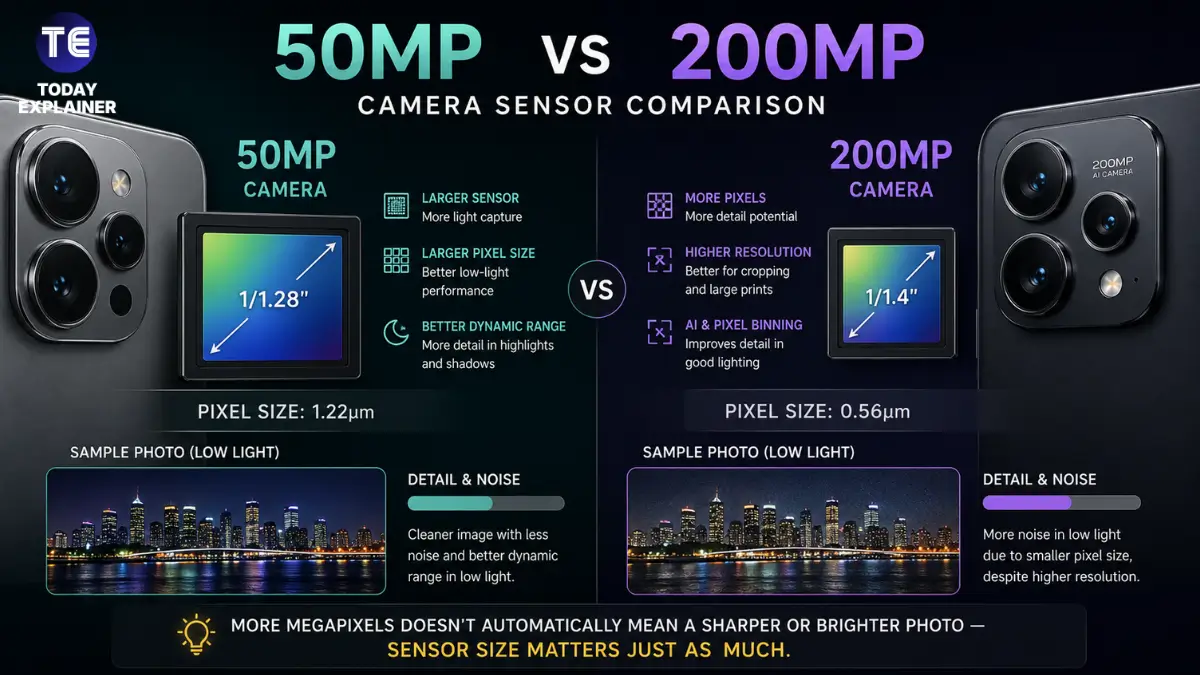
- Sensor Size: The physical, real-world dimensions of the camera chip itself, usually written as a fraction like 1/1.3″ or 1/1.56″. A larger sensor can capture more total light regardless of how many pixels it’s divided into, which is the single biggest factor in photo quality, especially in low light.
- Pixel Size (measured in microns, µm): How large each individual pixel on the sensor is. Larger individual pixels absorb more light per pixel, producing brighter, cleaner images with less digital noise (grain) in dim conditions.
- Pixel Binning: A processing technique that combines several small, physically adjacent pixels into one larger “virtual” pixel to capture more light, at the cost of the final image’s resolution. Common ratios are 4-in-1, 9-in-1, and 16-in-1.
- OIS (Optical Image Stabilization): A physical, hardware-level system that shifts the lens or sensor to counteract hand shake, resulting in sharper photos and smoother video, especially in low light or at night.
- Aperture (f-number): How wide the lens opening is, written as f/1.8, f/2.2, etc. A lower f-number means a wider opening, which lets in more light — important for both bright and dark scenes.
- ISP (Image Signal Processor) / Computational Photography: The chip and software that process the raw sensor data into the final photo you see — including noise reduction, HDR, and night mode. This is often more responsible for a “good” photo than the sensor itself.
- Native vs. Binned Resolution: The “native” mode shoots at the full megapixel count (e.g., a true 200MP photo), while “binned” mode combines pixels for better light and a smaller, brighter final image (e.g., 12.5MP from a 200MP sensor).
| Term | Simple Definition | Why It Matters for Buyers |
|---|---|---|
| Megapixel (MP) | Number of pixels on the sensor | Affects detail/resolution, NOT low-light quality |
| Sensor Size | Physical size of the camera chip | Bigger sensor = more total light captured |
| Pixel Size (µm) | Size of each individual pixel | Bigger pixels = brighter, cleaner low-light shots |
| Pixel Binning | Combines small pixels into one big one | Lets high-MP sensors fake bigger pixel performance |
| OIS | Physically stabilizes the lens/sensor | Sharper photos and video, less blur at night |
| Aperture (f-number) | Width of the lens opening | Lower number = more light let in |
| ISP / Computational Photography | Software that processes the photo | Often matters more than the sensor spec itself |
Comparison Table (200MP vs 50MP Phones Side-by-Side)
| Phone | Price (PKR) | Main Sensor | Pixel Size (Native) | Binning | OIS |
|---|---|---|---|---|---|
| Samsung Galaxy S24 Ultra | PKR 449,999 | 200MP ISOCELL HP2 | 0.6µm (2.4µm after 16-in-1 binning) | 16-in-1 | Yes |
| Redmi Note 13 Pro+ | PKR 84,999 | 200MP ISOCELL HP3 | 0.56µm (2.24µm after 16-in-1 binning) | 16-in-1 | Yes |
| Google Pixel 8 | PKR 219,999 | 50MP Octa PD | 1.2µm (2.4µm after 4-in-1 binning) | 4-in-1 | Yes |
| Samsung Galaxy S24 | PKR 259,999 | 50MP ISOCELL GN3 | 1.0µm (2.0µm after 4-in-1 binning) | 4-in-1 | Yes |
Prices last checked August 2026 and may vary by retailer and city. All specs are from official manufacturer listings.
Notice something important in that table: after binning, the 200MP Galaxy S24 Ultra’s effective pixel size (2.4µm) is nearly identical to the 50MP Pixel 8’s effective pixel size (2.4µm). The megapixel count is wildly different, but the actual light-gathering ability per final pixel ends up almost the same. That’s the whole story of this article in one row of a table.
Individual Breakdown
Samsung Galaxy S24 Ultra — The 200MP Done Right
- Price in Pakistan: PKR 449,999 (note: prices vary by retailer/city and change frequently)
- Key Specs:
- 200MP ISOCELL HP2 main sensor, f/1.7 aperture
- 1/1.3″ sensor size — one of the largest in any phone
- OIS on the main and both telephoto lenses
- 5x optical zoom periscope camera
- What Stands Out: This is the rare case where 200MP genuinely works, because Samsung paired it with a large 1/1.3″ sensor and strong OIS. In good light, native 200MP shots hold real, usable detail for cropping and zooming — something smaller-sensor 200MP phones can’t match.
- Where It Falls Short: At this price, buyers should expect flagship-level low light performance across the board, and while it’s good, Pixel 8 and iPhone 15 Pro Max still edge it out in extreme night shots due to processing.
- Best For: Buyers who want maximum flexibility — zoom, crop, and detail — and are willing to pay flagship prices for a large sensor, not just a high pixel count.
- Pros:
- Large 1/1.3″ sensor genuinely benefits from 200MP resolution
- Excellent zoom versatility (3x and 5x optical)
- Strong OIS across all rear lenses
- Consistent performance in both daylight and binned low-light shots
- Cons:
- Extremely high price for the Pakistani market
- Native 200MP mode produces huge file sizes with limited real-world benefit
- Diminishing returns compared to the Galaxy S24’s 50MP for most casual users
Redmi Note 13 Pro+ — 200MP on a Budget
- Price in Pakistan: PKR 84,999 (note: prices vary by retailer/city and change frequently)
- Key Specs:
- 200MP ISOCELL HP3 main sensor, f/1.65 aperture
- 1/1.4″ sensor size (smaller than S24 Ultra’s, despite similar MP count)
- OIS on the main camera
- 16-in-1 pixel binning by default
- What Stands Out: This is genuinely impressive engineering for the price — bringing a 200MP sensor with OIS to a sub-PKR 90,000 phone is a real achievement, and daylight shots are sharp and detailed.
- Where It Falls Short: The smaller sensor and mid-range image signal processor mean low-light shots show noticeably more noise and softness than the megapixel count would suggest — the marketing number oversells the actual low-light experience.
- Best For: Budget-conscious buyers who mostly shoot in daylight or well-lit indoor settings and want strong outdoor/travel photos without spending flagship money.
- Pros:
- Excellent value — 200MP and OIS well under PKR 90,000
- Strong daylight detail and color accuracy
- Good punch-in/crop flexibility for social media photos
- Attractive display and battery life for the price
- Cons:
- Low-light performance noticeably weaker than the resolution suggests
- Smaller sensor limits how much the 200MP mode actually helps
- Processing can oversharpen images in native mode
Google Pixel 8 — 50MP That Outperforms the Number
- Price in Pakistan: PKR 219,999 (note: prices vary by retailer/city and change frequently; grey-market/import units are common since Pixel isn’t officially sold in Pakistan)
- Key Specs:
- 50MP Octa PD main sensor, f/1.68 aperture
- 1/1.31″ sensor size
- OIS and Google’s computational photography pipeline
- 4-in-1 pixel binning, defaulting to 12.5MP output
- What Stands Out: Google leans entirely on software — its Night Sight and HDR+ processing consistently produce some of the best low-light photos of any phone on this list, despite having the lowest megapixel count here.
- Where It Falls Short: It’s not officially sold or PTA-registered in Pakistan by Google, so buyers rely on grey-market imports, which affects warranty, software updates, and after-sales support.
- Best For: Buyers who prioritize consistently great photos over spec-sheet numbers and are comfortable with import/grey-market buying considerations.
- Pros:
- Best-in-class low-light and HDR processing
- Large sensor for its megapixel count
- Clean, natural-looking colors without oversharpening
- Strong video stabilization
- Cons:
- Not officially available/PTA-approved through Google in Pakistan
- Import pricing and after-sales support are inconsistent
- Fewer local repair options than Samsung or Xiaomi
Samsung Galaxy S24 — The Sensible 50MP Flagship
- Price in Pakistan: PKR 259,999 (note: prices vary by retailer/city and change frequently)
- Key Specs:
- 50MP ISOCELL GN3 main sensor, f/1.8 aperture
- 1/1.57″ sensor size
- OIS on the main camera
- 4-in-1 pixel binning
- What Stands Out: A well-balanced, officially PTA-approved flagship that proves you don’t need 200MP to get flagship-grade photo quality — daylight and moderate low-light shots are excellent straight out of the camera app.
- Where It Falls Short: Its smaller sensor than the S24 Ultra means it falls behind in extreme low-light and zoom scenarios, so heavy zoom or night-photography users may still prefer the Ultra.
- Best For: Buyers who want dependable flagship camera performance with official Samsung Pakistan warranty and support, without paying for the Ultra’s zoom and pixel-count premium.
- Pros:
- Officially sold and PTA-approved in Pakistan with full warranty
- Reliable, natural color science across lighting conditions
- Compact size compared to the Ultra
- Strong resale value in the local market
- Cons:
- No periscope zoom lens (only digital zoom beyond 3x)
- Smaller sensor than the Ultra limits extreme low-light range
- Premium price relative to mid-range 200MP alternatives
Why This Matters (Buyer Decision Factors)
Low-Light Photography Is Where the Difference Shows Most
This is the single biggest real-world gap between a well-tuned 50MP camera and a budget 200MP one. In daylight, both can look genuinely good — there’s enough ambient light that even small pixels gather sufficient data. Indoors, at night, or in Pakistan’s common low-light indoor gatherings (weddings, dinners, dholkis), the physical pixel size and sensor size become the deciding factor, not the megapixel count on the box.
Sensor Size vs. Pixel Count: The Real Trade-off
A 200MP sensor squeezed into a small, budget-friendly chip has to make each individual pixel physically tiny to fit that many of them on the same small piece of silicon. A 50MP sensor of the same physical size gets to make each pixel four times larger. Larger pixels simply capture more photons of light per shot, which directly translates to brighter, less noisy, more color-accurate photos — especially without a flash.
Software Processing Can Make or Break Either Sensor
The Pixel 8 example above proves that a well-optimized image signal processor and computational photography pipeline can outperform a sensor with more than triple the raw resolution. Brands like Google and Apple invest heavily in software; some budget Android brands lean on the sensor spec instead because it’s cheaper and easier to market than years of camera software tuning.
Zoom and Cropping Flexibility Is the One Place 200MP Genuinely Wins
It’s not all downside for high megapixel counts. If a phone has a genuinely large sensor (like the S24 Ultra), a native 200MP shot retains enough real detail that you can crop in significantly — useful for concerts, sports, or wildlife photography — without the image falling apart. This only holds true when the sensor size is also large; a small-sensor 200MP phone loses this advantage.
Video Recording Depends on Different Specs Entirely
Video quality depends more heavily on OIS, sensor readout speed, and the video-specific processing pipeline than on the still-photo megapixel count. A phone can have an excellent 200MP still camera and mediocre, shaky video, or vice versa — so buyers who care primarily about vlogging or video should check video-specific reviews separately from photo megapixel specs.
Buying Tip: Ignore the megapixel number on the box entirely during your initial research. Instead, search “[Phone name] camera review low light” and look at actual sample photos from reviewers before comparing spec sheets — real photos tell you more in ten seconds than a spec sheet tells you in ten minutes.
What to Expect Next (Category Trends)
- Larger sensors at high megapixel counts are becoming more common in mid-range phones, not just flagships — expect more PKR 60,000-100,000 phones in Pakistan to pair 200MP sensors with genuinely larger 1/1.4″ or bigger sensors through late 2026 and 2027, narrowing today’s gap between budget and flagship low-light performance.
- AI-based computational photography will keep closing the gap between high and low megapixel phones, as on-device AI processing (rather than raw sensor hardware) increasingly determines final photo quality across brands like Samsung, Xiaomi, and Vivo.
- Expect marketing to shift its bragging number from “megapixels” toward “sensor size” or “pixel size after binning” over the next product cycle, as more buyers (partly thanks to guides like this one) start asking sharper questions before purchasing.
Common Misconceptions
Myth: A 200MP camera always takes better photos than a 50MP camera. Reality: Photo quality depends far more on sensor size, pixel size, and processing than on raw megapixel count — a well-built 50MP camera frequently beats a poorly-sensored 200MP one, especially indoors or at night.
Myth: Pixel binning is a “fake” or gimmicky feature. Reality: Pixel binning is a legitimate, widely-used hardware-software technique that genuinely improves light capture by physically combining pixel data — it’s not a software trick applied after the photo is taken.
Myth: You should always shoot in native 200MP mode to “get your money’s worth.” Reality: Native high-resolution mode is only useful for extreme cropping or zooming in bright light; for everyday photos, the binned mode (e.g., 12.5MP) usually looks better and is what the camera app defaults to for good reason.
Myth: Grey-market imported camera phones perform identically to officially sold units. Reality: While the hardware is usually the same, grey-market units may lack PTA approval (risking network blocking), come without local warranty, and sometimes ship with region-specific software/camera tuning that differs from official units.
Myth: More cameras on the back (quad-camera, penta-camera setups) automatically means a better overall camera system. Reality: Many budget phones include low-resolution “filler” macro or depth sensors purely for marketing purposes; what matters is the quality of the main sensor plus a genuinely useful ultra-wide or telephoto lens, not the total camera count.
Myth: A higher megapixel front (selfie) camera always gives sharper selfies. Reality: Selfie cameras are especially prone to the same small-pixel problem, and skin tone processing/beauty algorithms often affect perceived quality more than raw resolution.
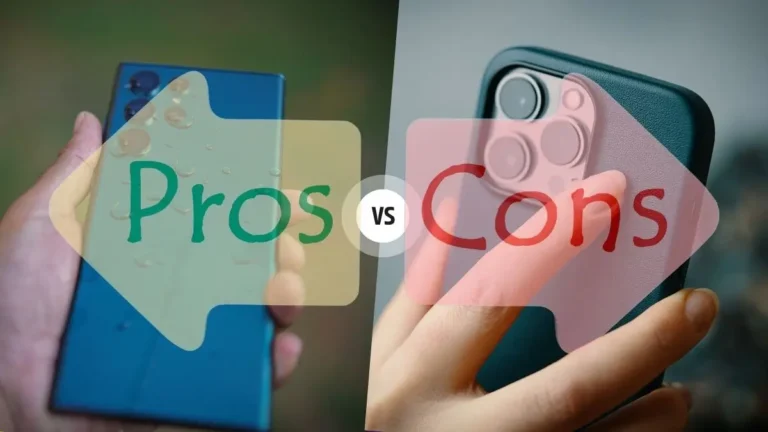
Myth: Camera specs matter equally whether you shoot mostly outdoors or mostly indoors. Reality: If you mostly photograph outdoors in daylight (travel, street photography), a high-MP phone can perform very well; if you mostly shoot indoors or at events, prioritize sensor size and OIS over megapixel count.
Recent Developments (Last 6-12 Months)
- October 2025: Xiaomi and Redmi expanded 200MP sensor availability further into the sub-PKR 60,000 segment in Pakistan with new Redmi Note series launches, intensifying the megapixel marketing race at lower price points.
- December 2025: Samsung began shipping updated ISOCELL sensor firmware improvements to Galaxy S24 series units via software update, improving low-light noise reduction without any hardware change — reinforcing that software continues to meaningfully affect camera output after purchase.
- February 2026: PTA continued tightening enforcement on non-registered devices, making PTA-approval status an increasingly important factor for buyers considering grey-market or imported camera-focused phones like the Google Pixel series.
- April 2026: Vivo and Oppo pushed further investment into large-sensor 50MP main cameras paired with dedicated imaging chips in their mid-range V and Reno-series phones sold in Pakistan, positioning “large sensor, moderate megapixel” as a competing marketing angle to Xiaomi/Redmi’s 200MP push.
- June-July 2026: Several Pakistani retailers reported price adjustments across mid-range camera phones following currency and import-duty fluctuations, reinforcing that camera-phone prices in this segment remain relatively volatile month to month.
Real Buyer Scenarios
The following are illustrative buyer scenarios, not real customer testimonials, meant to help you match your own priorities to the right kind of camera.
Scenario 1 — The University Student on a Budget: A student in Faisalabad wants a phone mainly for online classes, Instagram photos with friends in daylight, and occasional indoor hostel-room photos. A phone like the Redmi Note 13 Pro+ suits this use case well — its 200MP sensor performs strongly in the daylight and outdoor conditions this student shoots in most, and the lower indoor low-light performance is a manageable trade-off at this budget.

Scenario 2 — The Event/Wedding Photo Enthusiast: A buyer who regularly attends dimly-lit indoor weddings, mehndis, and dinners and wants their phone photos to look genuinely good without a flash needs to prioritize sensor size and OIS over megapixel count. A large-sensor 50MP phone like the Galaxy S24 or Pixel 8 will consistently outperform a small-sensor 200MP phone in exactly these conditions.
Scenario 3 — The Content Creator Who Zooms and Crops: A social media content creator who frequently crops into photos for close-up shots or shoots distant subjects (like street photography or events from a distance) benefits most from a large-sensor, genuinely high-resolution phone like the Galaxy S24 Ultra, where the 200MP resolution is backed by a sensor large enough to make that detail usable.
Buying Tips for This Price Range
- Always check PTA approval status before buying, especially for imported or grey-market camera-focused phones like the Google Pixel series — an unregistered device can be blocked from local networks.
- Search for real sample photos, not just spec sheets, particularly low-light and indoor samples, since these reveal the sensor-size and processing gaps that marketing numbers hide.
- Buy from authorized retailers or official brand stores where possible, since warranty terms, software update timelines, and after-sales service differ significantly between official and grey-market channels.
- Don’t assume the higher-priced phone in a lineup automatically has the better camera — sometimes a brand’s mid-tier model uses a better-tuned sensor than its top-tier model’s headline “bigger number” sensor.
- Factor in OIS availability specifically, not just megapixels, since it has an outsized effect on both photo sharpness and video stability in everyday handheld use.
- Ask about the camera app’s default shooting mode — most 200MP phones default to a binned lower-resolution mode for good reason, so don’t be talked into thinking native mode is always “better.”
- Compare warranty and repair support locally, since camera modules are among the most expensive components to repair, and official brand service centers (Samsung, Xiaomi, Vivo) are more consistently available across Pakistani cities than for imported brands.
Conclusion and Final Verdict
If you want the single best all-around camera experience and can afford it: the Samsung Galaxy S24 Ultra is the rare 200MP phone that earns its megapixel count through a genuinely large sensor and strong software.
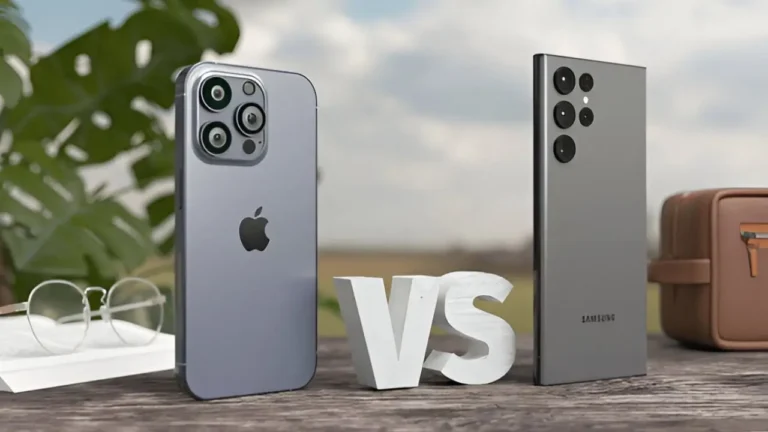
If you want the best value 200MP experience on a tight budget, mainly for daylight and outdoor shooting: the Redmi Note 13 Pro+ delivers impressive results for its price.
If you want the best possible low-light and computational photography experience and are comfortable with import considerations: the Google Pixel 8 consistently produces the most reliably good photos in mixed and dim lighting.
If you want dependable, officially-supported flagship photo quality without paying an Ultra-level premium: the Samsung Galaxy S24 is the sensible all-rounder.
The Bottom Line: Megapixel count is a marketing number, not a photo-quality guarantee. A 200MP sensor can absolutely take excellent photos — but only when it’s paired with a genuinely large sensor, OIS, and solid processing, as Samsung’s flagship proves. Absent those three things, a smaller, well-engineered 50MP sensor will consistently take better real-world photos, especially indoors and at night. Before your next phone purchase, look past the megapixel number on the box and check the sensor size, pixel size after binning, and real sample photos instead — that combination tells you far more than any single spec ever will.
FAQs
Q: Does a higher megapixel camera always mean a better photo? A: No. Photo quality depends more on sensor size, individual pixel size, OIS, and image processing than on raw megapixel count. A well-engineered 50MP sensor often outperforms a budget 200MP sensor, especially in low light.
Q: What is pixel binning in simple terms? A: Pixel binning combines several small, physically adjacent pixels into one larger “virtual” pixel to capture more light per shot, which improves brightness and reduces noise, at the cost of final image resolution.
Q: Should I shoot in native 200MP mode or the default binned mode? A: Use the default binned mode (usually around 12-50MP) for everyday photos, since it captures more light and looks better in most conditions. Only switch to native 200MP mode in bright light when you specifically need to crop or zoom heavily afterward.
Q: Is a 200MP phone camera worth paying extra for in Pakistan? A: Only if the phone also has a genuinely large sensor and OIS — otherwise you may be paying a premium for a number that doesn’t meaningfully improve your everyday photos over a well-tuned 50MP alternative.
Q: Why do my indoor and night photos look worse than my daylight photos on a 200MP phone? A: Budget 200MP sensors typically have very small individual pixels, which struggle to gather enough light in dim conditions, producing grainier, softer photos indoors and at night compared to daylight.
Q: What camera spec should I prioritize on a tight budget in Pakistan? A: Prioritize sensor size and OIS availability over megapixel count. A large-sensor 50MP camera with OIS will generally serve most everyday users (daylight, indoor, and casual low-light photos) better than a small-sensor 200MP camera without OIS.
Q: Do all 200MP phones use pixel binning? A: Nearly all of them do, by default, for everyday shooting — the camera app typically only switches to full 200MP resolution when you manually select a “high-res” or “200MP” shooting mode.
Q: Is the Google Pixel officially sold in Pakistan? A: No, Google does not officially sell or support the Pixel series in Pakistan as of 2026, so units available locally are typically imported/grey-market, which affects warranty, software update guarantees, and PTA registration status.
Q: Does sensor size affect video quality the same way it affects photos? A: Sensor size does help with video in low light, but video quality also depends heavily on OIS, sensor readout speed, and video-specific processing, so it’s worth checking video-specific reviews separately from photo comparisons.
Q: Why do some cheaper phones have higher megapixel counts than expensive flagships? A: Megapixel count alone is relatively inexpensive to manufacture at scale, while large sensors, OIS, multiple quality lenses, and advanced processing chips are far more expensive — so budget brands often lean on the megapixel number as an affordable way to compete on the spec sheet.
Q: What does “pixel size” mean and where do I find it on a spec sheet? A: Pixel size refers to the physical dimensions of each individual pixel on the sensor, measured in microns (µm). It’s usually listed in a phone’s detailed camera specifications on the brand’s official website or on sites like GSMArena, sometimes only listed as the “binned” pixel size rather than the native one.
Q: Is it safe to buy a 200MP camera phone from the grey market in Pakistan? A: It carries added risk — check specifically for PTA approval/registration before buying, since unregistered imported devices can eventually be blocked from local mobile networks, and warranty support is typically unavailable or limited.
Q: How much does OIS actually improve photos compared to a phone without it? A: OIS meaningfully reduces blur from hand shake, which is especially noticeable in low light where the camera needs a longer exposure time — phones without OIS often show visibly softer or blurrier night and indoor photos even with an otherwise similar sensor.
Q: Will future phones keep pushing megapixel counts even higher than 200MP? A: Some brands are experimenting with sensors beyond 200MP, but industry trends increasingly point toward pairing high resolution with larger sensors and better computational photography, rather than chasing megapixel count alone, since buyers and reviewers have grown more aware of the trade-offs.
Q: Can software updates improve a phone’s camera after I’ve already bought it? A: Yes — brands like Samsung and Google regularly ship camera processing improvements via software updates that can meaningfully improve photo quality (especially noise reduction and HDR) without any change to the physical sensor.
Where to Verify Prices & Specs
- GSMArena — detailed, independently verified technical specifications for virtually every phone mentioned in this guide
- Official brand websites (Samsung Pakistan, Mi/Redmi Pakistan, Google Store) — manufacturer-confirmed specs and, where applicable, official local pricing
- PriceOye — current retail pricing across multiple Pakistani sellers for cross-checking prices before you buy
- WhatMobile — Pakistan-focused specs and pricing database, useful for comparing local market availability
Discussion
Do you mostly shoot photos in daylight, indoors, or at night — and has that shaped which phone camera you’d actually choose from this list? Have you personally noticed a gap between a phone’s advertised megapixel count and how its photos actually look in low light? If you’re currently choosing between a high-megapixel budget phone and a lower-megapixel flagship, what’s the deciding factor for you — price, zoom, low-light performance, or something else? Share your experience in the comments below.