Table of Contents
- Introduction — Why This Matters
- Background / Context
- Key Specs & Terms Explained
- Comparison Table (Confirmed vs Rumored)
- Individual Breakdown
- Why This Matters (Buyer Decision Factors)
- What to Expect Next
- Common Misconceptions
- Recent Developments
- Real Buyer Scenarios
- Buying Tips for This Price Range
- Conclusion and Final Verdict
- FAQs
- Where to Verify Prices & Specs
- Discussion
Introduction — Why This Matters
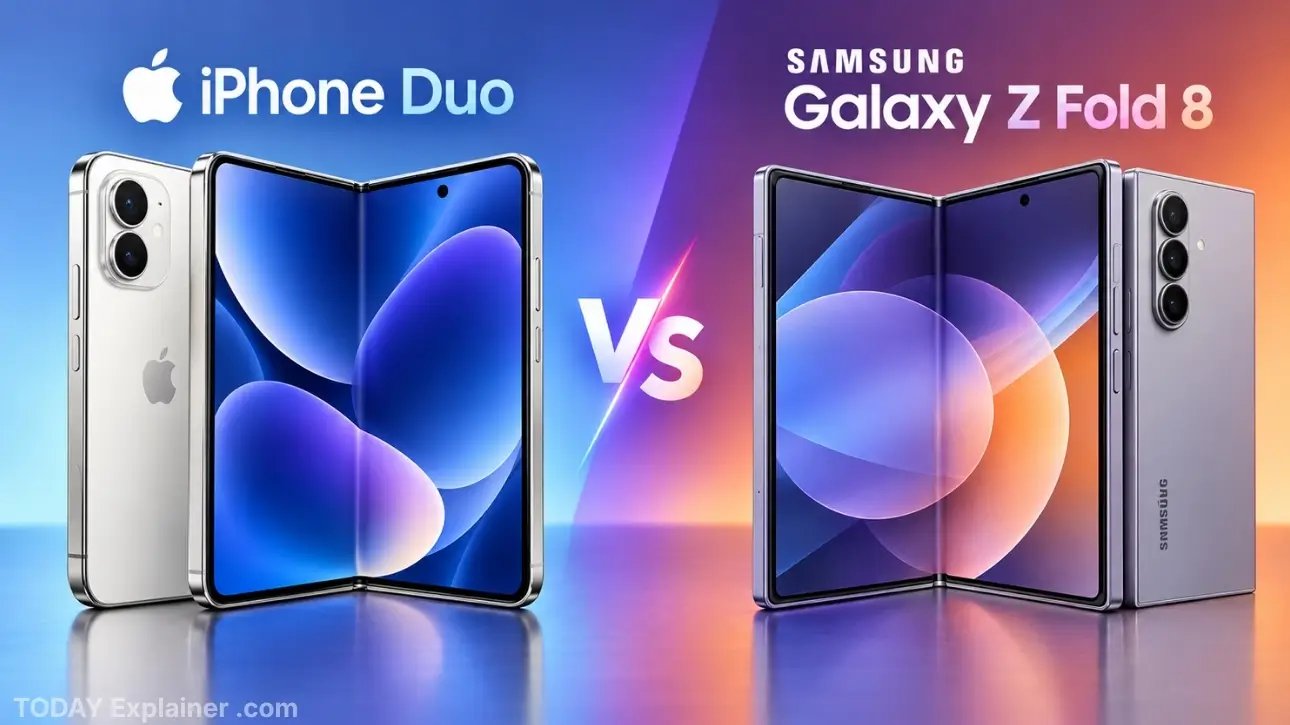
For years, anyone asking “should I buy a foldable phone” had only one serious answer at the ultra-premium level: Samsung. That changed in 2026. Samsung’s Galaxy Z Fold 8 officially launched on July 22, 2026, and for the first time, Apple’s long-rumored foldable iPhone — widely expected to be called the iPhone Ultra — looks genuinely close to real, with a rumored September 2026 unveiling.
We researched official Samsung announcements, credible supply-chain leaks, developer-code discoveries in iOS 27, and reporting from established outlets to build this comparison. It’s important to be upfront: one of these two phones is a shipping, reviewable product, and the other is not. Everything about the iPhone Ultra below is a leak or a rumor, not a confirmed fact, and we’ve flagged it that way throughout.
This guide covers what’s actually confirmed about the Galaxy Z Fold 8, what’s credibly rumored about Apple’s foldable, how the two designs differ philosophically, and what Pakistani buyers specifically need to know before either device shows up on local shelves.

Quick Answer: The Galaxy Z Fold 8 is real, available, and starts at roughly $1,900 (about PKR 540,000–570,000 at informal import rates, before duties). The iPhone Ultra is not yet official — expected around September 2026 at a rumored price near $1,999 — so there is nothing to actually buy yet, and any “price in Pakistan” you see quoted online right now is speculation.
Background / Context
Foldable phones have been a Samsung-dominated category since 2019. Apple’s absence from the segment has been the subject of rumors since as far back as 2017–2018, with launch predictions repeatedly pushed back — 2020, then 2022, then 2024, and now 2026. What’s different this time is the volume and consistency of the evidence: FCC-style filings, dummy-unit photos from established leakers, iOS 27 developer beta code referencing “foldstate” and “angledegrees,” and case makers already listing accessories for the device.
Meanwhile, Samsung hasn’t stood still. The Z Fold 8 line reportedly split into two models this year — a taller “Ultra” successor to the familiar Z Fold shape, and a genuinely new wider Z Fold 8 model, aimed at users who found the older Fold’s inner screen too narrow and letterboxed for video and multitasking. This “wide” pivot is widely read as a direct response to competitive pressure, including from Apple’s rumored wider foldable design.
For Pakistani buyers, this matters because foldables in this segment typically arrive via grey-market import long before any official local distribution, and pricing swings wildly based on import duties, PTA registration costs, and dollar exchange rates.
Key Specs & Terms Explained
| Term | Simple Definition | Why It Matters for Buyers |
|---|---|---|
| Book-style fold | A hinge that opens like a book, turning a phone-sized cover screen into a larger tablet-style inner screen | Determines whether you get a genuinely bigger screen or just a taller one |
| Crease-free display | Display and hinge engineering designed to minimize the visible fold line on the inner screen | A visible crease is the most common foldable complaint — this affects daily comfort |
| Aspect ratio (e.g., 4:3) | The width-to-height proportion of the inner screen | A squarer 4:3 screen suits reading/multitasking; a wider screen suits video without black bars |
| LTPO display | Adaptive refresh-rate screen technology that can drop its refresh rate to save battery | Affects battery life without sacrificing smoothness |
| Hinge durability rating | How many fold cycles a hinge is engineered to survive, often paired with an IP rating for dust/water | Determines long-term reliability, especially important on an expensive device |
| Dummy unit | A non-functional mock-up used for case-fitting and regulatory filings, often the source of “leaked” photos | Explains why early leaked images can be trusted for size/shape but not for internal specs |
| PTA approval | Pakistan Telecommunication Authority registration required for any phone’s SIM to work long-term in Pakistan | A phone bought abroad or grey-imported needs this or it will eventually lose network access |
Comparison Table (Confirmed vs Rumored)
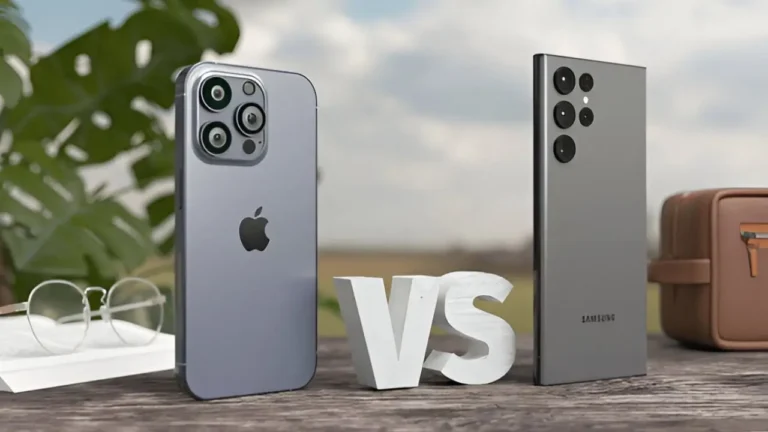
| Phone | Status | Starting Price (USD) | Inner Display | Chipset | Camera (rear main) | Release |
|---|---|---|---|---|---|---|
| Samsung Galaxy Z Fold 8 | Confirmed, shipping | ~$1,900 (256GB) | 7.6-inch wide, 120Hz | Snapdragon 8 Elite Gen 5 for Galaxy (Ultra variant) | Up to 200MP (Ultra variant) | Launched July 22, 2026; on sale Aug 5, 2026 |
| Apple iPhone Ultra (foldable) | Rumored only, unconfirmed | ~$1,999 (rumored) | ~7.8-inch, 4:3, LTPO OLED (rumored) | Unconfirmed — expected latest Apple silicon | Unconfirmed | Rumored September 2026 |
Prices last checked August 2026 and reflect U.S. launch pricing where confirmed; figures for the iPhone Ultra are leak-based estimates, not official Apple pricing, and may vary by retailer and region once the device actually launches.
Individual Breakdown
Samsung Galaxy Z Fold 8 — The proven foldable, freshly redesigned
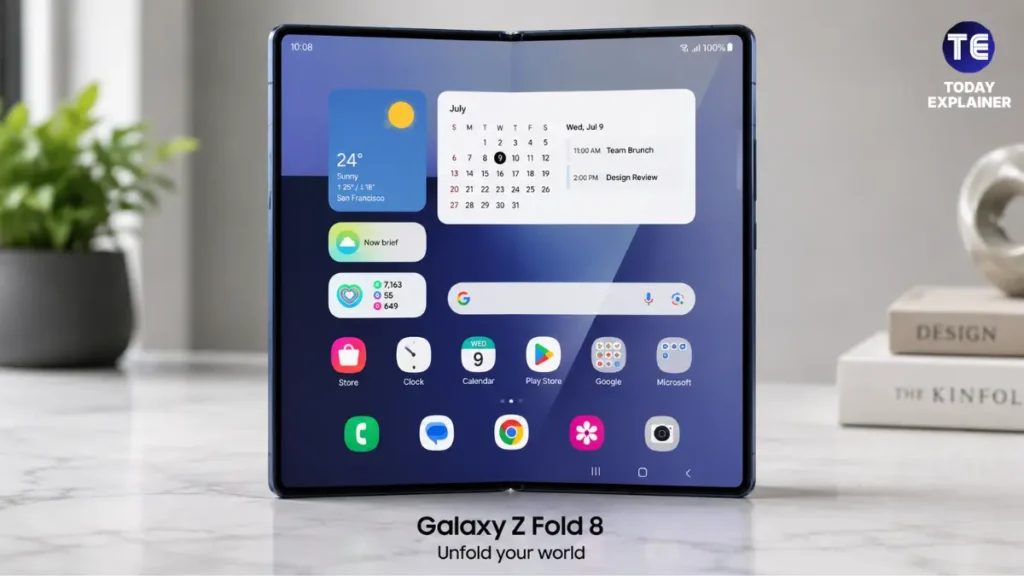
- Price: Starts around $1,900 for the 256GB Galaxy Z Fold 8; the taller “Ultra” variant and higher storage tiers (512GB, 1TB) climb toward $2,199–$2,499. Pakistani retail or import pricing is not yet standardized and will depend heavily on duties and exchange rates.
- Key Specs:
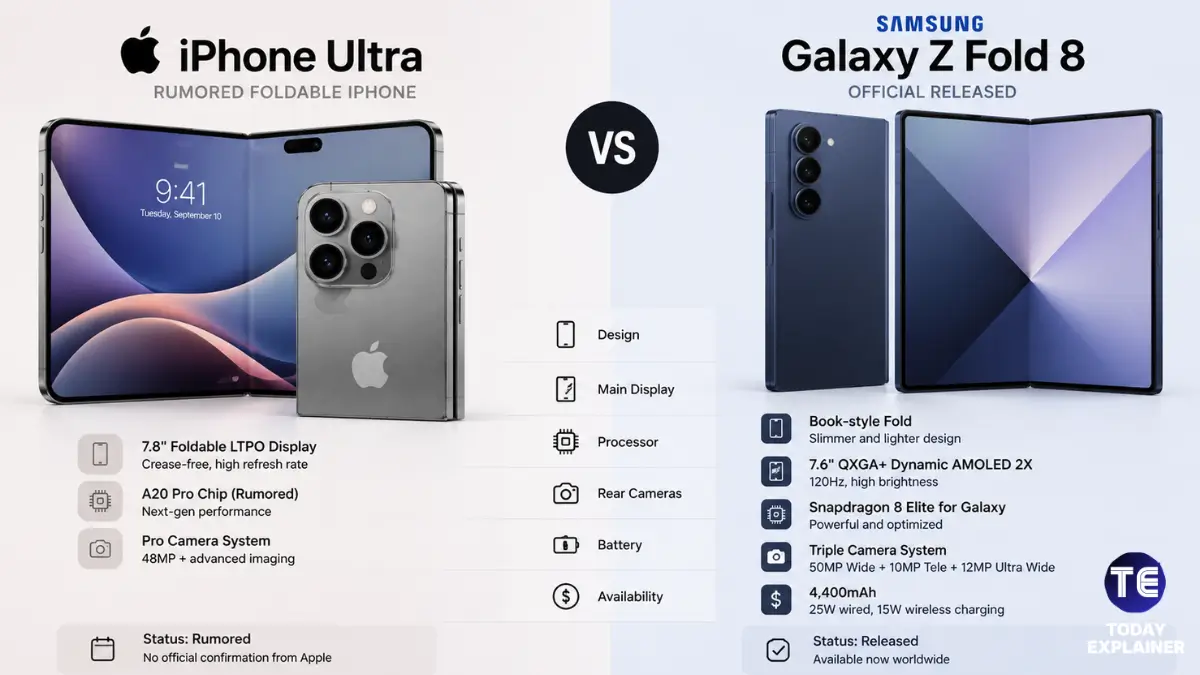
- Reported 6.5-inch cover display, 8-inch inner display on the Z Fold 8 Ultra variant; a separate, genuinely wider Z Fold 8 model with a shorter, squatter inner screen
- 120Hz Dynamic AMOLED 2X panels reported on both screens
- Snapdragon 8 Elite Gen 5 for Galaxy chipset (Ultra variant)
- Up to 200MP main rear camera with OIS on the Ultra variant
- IP48 dust/water resistance reported
- Gemini Intelligence AI features debuting on this lineup before other Android devices
- What Stands Out: This is Samsung’s eighth generation of foldable engineering, and it shows — the company is finally addressing the long-standing complaint that the Z Fold’s inner screen felt too narrow, by introducing a genuinely wider variant alongside the traditional shape.
- Where It Falls Short: The visible crease down the inner display, a long-running Z Fold characteristic, reportedly persists in some form even on this generation, and the naming split between “Fold 8” and “Fold 8 Ultra” is already causing buyer confusion.
- Best For: Buyers who want a foldable available today, with a mature app ecosystem optimized for the form factor and a track record of software support (seven years of OS updates reported).
- Pros:
- Actually available to buy and review right now
- Wider inner screen option addresses a long-standing criticism
- Strong camera hardware on the Ultra variant
- Long software support window reported
- Cons:
- Very high starting price, especially at higher storage tiers
- Two very similarly named models (Fold 8 vs Fold 8 Ultra) risk buyer confusion
- No official Pakistani retail pricing or PTA-approved availability confirmed yet
Apple iPhone Ultra (Foldable) — The most credible “maybe” in years
- Price: No official price. Leak-based estimates cluster around $1,999 for the base configuration, similar to Samsung’s flagship foldable pricing, but this is not confirmed by Apple.
- Key Specs (all rumored, unconfirmed):
- Roughly 7.8-inch inner display with a 4:3 aspect ratio, closer to iPad-mini proportions than Samsung’s taller, narrower shape
- Roughly 5.3–5.5-inch cover display
- Titanium body, reportedly around 4.5mm thick unfolded and 9–9.5mm folded
- Liquid-metal hinge material, referenced by multiple independent leakers
- Camera Control button present in leaked case cutouts; Action Button reportedly absent
- iOS 27 developer beta code reportedly contains references to “foldstate” and “angledegrees,” suggesting genuine software-level preparation for a hinge-aware device
- What Stands Out: The wider, 4:3 inner-screen approach is a genuine design differentiator from Samsung’s traditionally taller, narrower Fold shape, and multiple independent leak sources (dummy units, case makers, developer code) are now converging on similar dimensions — a level of leak consistency Apple foldable rumors have never had before.
- Where It Falls Short: None of this is official. Analyst Ming-Chi Kuo has flagged possible production constraints that could mean limited initial supply even if the device does launch on schedule, and some reports suggest shipping could slip into late 2026 or even 2027.
- Best For: Buyers who are Apple-ecosystem-committed and willing to wait for a first-generation foldable rather than buy into Samsung’s more mature hardware today.
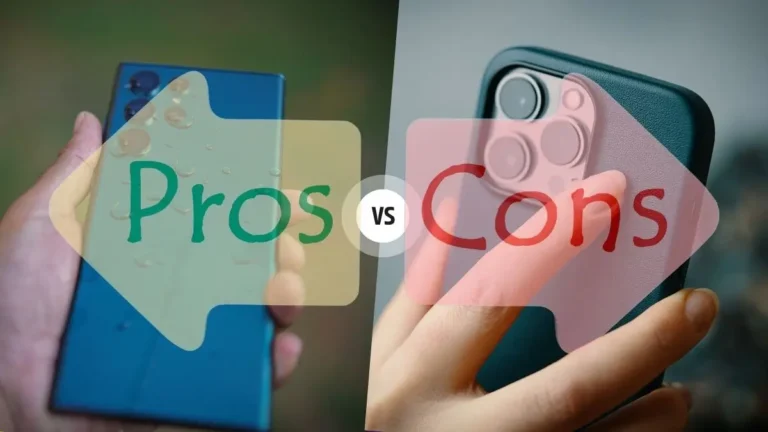
- Pros (based on rumors):
- Distinct, wider inner-screen aspect ratio versus Samsung’s traditional shape
- Consistent leak convergence across independent sources
- Reported liquid-metal hinge aimed at improved durability
- Cons (based on rumors):
- Not officially announced, priced, or dated by Apple
- Reported possible limited initial supply
- No confirmed camera, chipset, or battery specifications
- Any “release date” or “price in Pakistan” you see right now is not real information
Why This Matters (Buyer Decision Factors)
Screen shape changes how you actually use the phone. Samsung’s traditional Z Fold shape is taller and narrower when open, which some users find awkward for widescreen video. The rumored iPhone Ultra’s wider, 4:3 approach — and notably, Samsung’s own new “wide” Z Fold 8 variant — both suggest the whole industry has decided the old narrow shape needed fixing.
“Available now” beats “rumored soon” for most buyers. It’s tempting to wait for Apple’s foldable, especially if you’re already in the Apple ecosystem. But an unconfirmed device with no price, no confirmed specs, and possible limited supply is a real risk if you need a phone this year.
Ecosystem lock-in matters more on a foldable than a regular phone. At this price point, you’re not just buying a screen — you’re buying years of software optimization. Samsung’s foldable-specific app layouts (One UI) are mature; Apple’s iPadOS-style multitasking on a folding screen is unproven.
First-generation hardware carries real risk. Even with a liquid-metal hinge and titanium body claimed for the iPhone Ultra, this would be Apple’s first foldable ever, against Samsung’s eighth generation of hinge engineering.
Buying Tip: If you’re in Pakistan and considering importing either device, wait for the first wave of real owner reviews (not just spec leaks) before committing — foldable hinges are exactly the kind of component that looks fine on paper and shows its weaknesses only after months of daily folding.
What to Expect Next (Category Trends)
- Apple’s official event, expected September 2026, should either confirm or kill most of the current rumor set — treat everything before that as provisional.
- Samsung will likely respond to any Apple launch with software updates and marketing emphasizing its seven-plus years of foldable experience, rather than a hardware refresh, since the Z Fold 8 just launched.
- Watch for supply constraints on Apple’s side — multiple reports (including from analyst Ming-Chi Kuo) suggest early production limits, which could mean a real but hard-to-buy device well into 2027 for markets like Pakistan.
Common Misconceptions
Myth: The iPhone Ultra foldable is already confirmed and priced. Reality: As of August 2026, Apple has made zero official statements about this device. Everything discussed here comes from leaks, dummy units, and code analysis.
Myth: A wider inner screen is always better than a taller one. Reality: It depends on use case — wider screens suit video and split-screen browsing, while taller/narrower screens can feel more like a traditional tablet for reading and note-taking.
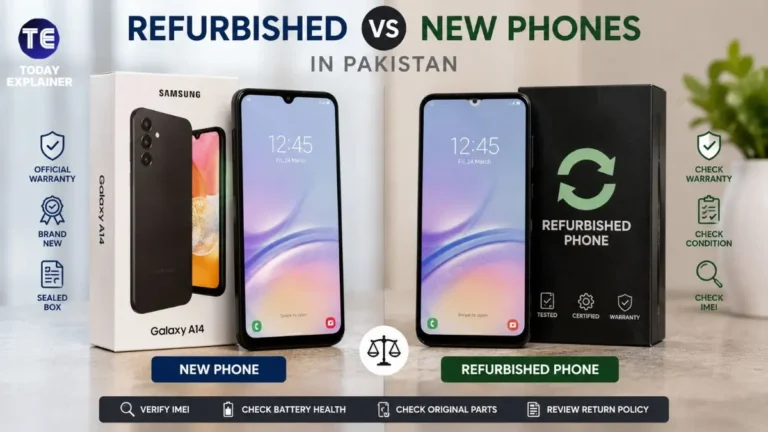
Myth: Grey-market imported foldables are just as safe as officially sold, PTA-approved phones. Reality: An imported phone without PTA registration will eventually lose full network functionality in Pakistan, and warranty support is typically far weaker or nonexistent.
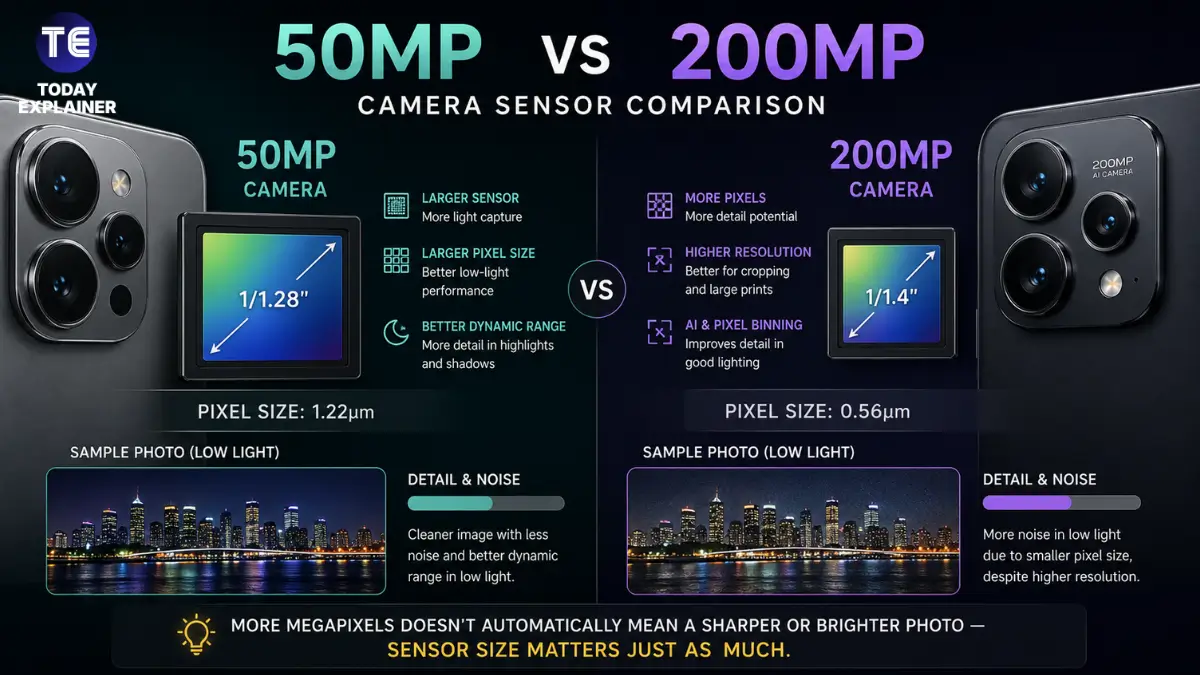
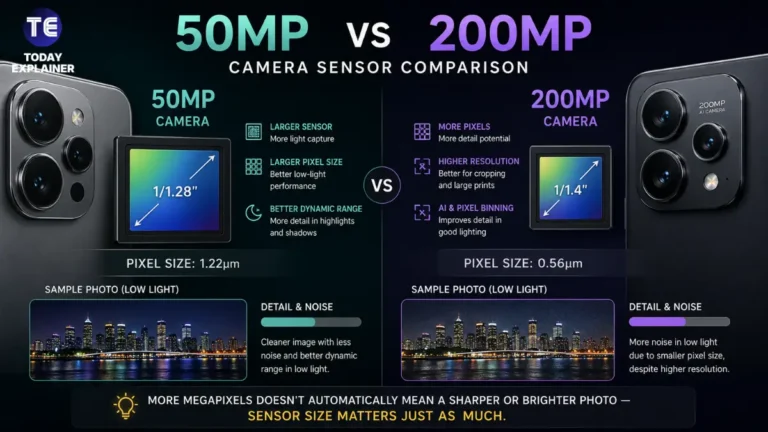
Myth: More megapixels on the main camera automatically means better photos. Reality: Sensor size, image processing, and optical stabilization matter as much as the raw megapixel count — a 200MP sensor isn’t automatically better than a well-tuned 50MP one.
Myth: Because Samsung has “Ultra” and Apple is rumored to use “Ultra” too, they’re the same tier of device. Reality: Samsung’s “Ultra” in this generation refers specifically to the taller Z Fold successor model, distinct from the new wider Z Fold 8 — while Apple’s “Ultra” name, if used, would refer to its entire foldable lineup, since there’s currently only one rumored model.
Myth: A foldable phone’s crease will “wear in” and disappear over time. Reality: Creases typically become more visible with use and repeated folding, not less — hinge and panel engineering, not time, is what minimizes them.
Myth: Waiting for the “second generation” of any foldable guarantees a dramatically better device. Reality: Improvements are often incremental (thinner hinge, brighter screen) rather than transformative — the biggest jump for Apple would simply be having a first-generation device to compare against at all.
Recent Developments (Last 6–12 Months)
- July 22, 2026: Samsung officially unveiled the Galaxy Z Fold 8 and Z Fold 8 Ultra at Galaxy Unpacked in London, alongside the Z Flip 8 and Galaxy Watch lineup.
- June 2026: Leaker Fixed Focus Digital reportedly confirmed the iPhone Ultra’s liquid-metal hinge material after months of speculation from other sources.
- June 7, 2026: Leaker Sonny Dickson published photos of a dummy iPhone Ultra unit, giving the clearest look yet at its “passport-wide” folded form factor.
- June 8–12, 2026 (WWDC): Developers analyzing the iOS 27 beta found code references to “foldstate” and “angledegrees,” widely read as software-level confirmation Apple is preparing for a hinge-aware device.
- May 2026: Third-party case maker iFunSmart began listing iPhone Ultra case cutouts, revealing a Camera Control button but no Action Button.
- August 5, 2026: The Galaxy Z Fold 8 lineup went on general sale following its July unveiling and pre-order window.
Real Buyer Scenarios
Scenario 1 — The Android power user who needs a bigger screen now. A graphic designer who already uses Samsung’s ecosystem and needs a larger canvas for on-the-go editing has no reason to wait on an unconfirmed Apple device. The Galaxy Z Fold 8, especially the newer wide variant, is a straightforward pick since it’s shipping today.
Scenario 2 — The Apple loyalist who’s willing to wait. Someone deeply invested in iMessage, iCloud, and the Apple ecosystem, who doesn’t strictly need a foldable this year, is better served waiting for Apple’s official September event rather than importing a Samsung device and abandoning years of app purchases and photo libraries.
Scenario 3 — The budget-conscious buyer curious about foldables in general. Neither device discussed here fits a tight budget — both cluster near or above $1,900–$2,000. A buyer in this position is better served researching Samsung’s smaller Z Flip line or previous-generation Fold models at a discount, rather than either flagship compared in this article.
Buying Tips for This Price Range
- Never rely on “leaked Pakistani pricing” for an unreleased phone — any PKR figure quoted for the iPhone Ultra right now is a guess, not a real price.
- Check PTA approval status before importing. A phone without PTA registration will lose full SIM functionality over time.
- Factor in duties and exchange-rate swings, which can add a substantial percentage on top of the international sticker price for either device.
- Buy from authorized retailers where possible, since foldable hinges are exactly the kind of component you want backed by a real warranty.
- Wait for real-world hinge durability reviews, not just launch-day marketing, before committing to a first-generation folding device.
- Compare storage tiers carefully — the jump from 256GB to 1TB on the Z Fold 8 line adds several hundred dollars, and similar tiering is expected if the iPhone Ultra launches.
- Don’t assume Apple’s device will definitely ship in 2026 — multiple credible reports have flagged possible delays into late 2026 or 2027.
Conclusion and Final Verdict
Best overall (available today): Samsung Galaxy Z Fold 8 — it’s real, shipping, and backed by eight generations of foldable engineering.
Best for Apple ecosystem buyers willing to wait: The rumored iPhone Ultra, if and when it actually launches, given how consistent the leak convergence has become.
Best camera (confirmed): Galaxy Z Fold 8 Ultra, with its reported 200MP main sensor — there is no confirmed camera information for the iPhone Ultra to compare against.
The Bottom Line: As of August 2026, this is a comparison between a real product and a very well-leaked rumor. The Galaxy Z Fold 8 deserves credit for finally addressing its narrow-screen criticism with a genuine wide variant, and it’s the only one of these two phones you can actually buy today. The iPhone Ultra’s leaks are more consistent and credible than any previous foldable-iPhone rumor cycle, but “consistent leaks” is still not the same as an official Apple product — treat any specific price, release date, or spec you read elsewhere with real skepticism until Apple actually announces something.
FAQs
Q: Is the iPhone Ultra foldable officially confirmed by Apple? A: No. As of August 2026, Apple has made no official announcement. Everything known comes from leaks, dummy units, case-maker listings, and iOS 27 developer code analysis.
Q: When is the Galaxy Z Fold 8 actually available? A: It was unveiled July 22, 2026, and went on general sale August 5, 2026.
Q: What’s the difference between the Galaxy Z Fold 8 and the Z Fold 8 Ultra? A: Reports indicate the “Ultra” name went to the taller, more traditional Z Fold shape (successor to the Z Fold 7), while the standard “Z Fold 8” name was given to a new, genuinely wider foldable variant.
Q: How much does the Galaxy Z Fold 8 cost? A: Reported starting price is around $1,900 for 256GB, rising to roughly $2,499 for the 1TB tier, based on early supply-chain and retail reporting.
Q: Is there a confirmed price for the iPhone Ultra? A: No. Rumors estimate around $1,999, similar to Samsung’s foldable pricing, but Apple has not confirmed any price.
Q: When might Apple announce its foldable iPhone? A: Most credible reports point to a September 2026 event, though some analysts have flagged possible limited initial supply or delayed shipping.
Q: Will the iPhone Ultra be available in Pakistan at launch? A: There’s no confirmed information on official Pakistani availability for either an unreleased Apple device or Samsung’s Z Fold 8 at this stage — expect grey-market import to be the primary path initially, as with most flagship launches.
Q: What screen shape will the iPhone Ultra reportedly have? A: Leaks suggest roughly a 7.8-inch inner display with a 4:3 aspect ratio, wider than Samsung’s traditionally taller, narrower Fold shape.
Q: Does the Galaxy Z Fold 8 still have a visible crease? A: Reports suggest some crease visibility persists despite engineering improvements, consistent with previous Z Fold generations.
Q: What chipset does the Galaxy Z Fold 8 Ultra use? A: The Snapdragon 8 Elite Gen 5 for Galaxy, according to pre-launch specification leaks.
Q: Is PTA approval required for a foldable phone bought abroad? A: Yes — any phone brought into Pakistan, including a foldable, needs PTA registration to retain full, long-term SIM/network functionality.
Q: Should I wait for the iPhone Ultra or buy the Galaxy Z Fold 8 now? A: If you need a foldable phone this year and aren’t deeply tied to Apple’s ecosystem, the Z Fold 8 is the safer choice since it’s a real, available product. If you’re Apple-committed and can wait, holding off for official confirmation is reasonable.
Q: What is a “liquid metal hinge,” as rumored for the iPhone Ultra? A: It refers to an amorphous metal alloy reported to be more resistant to deformation than conventional steel, which leakers say Apple may use for improved hinge durability — this remains unconfirmed by Apple.
Q: Does the rumored iPhone Ultra have an Action Button? A: Leaked case cutouts reportedly show no Action Button cutout, though a Camera Control button is present, according to case-maker listings.
Q: How thick is the rumored iPhone Ultra? A: Leaks suggest around 4.5mm when unfolded and 9–9.5mm when folded, though final production specs are unconfirmed.
Q: Are foldable phones generally more fragile than regular phones? A: They carry more mechanical complexity due to the hinge and flexible display, which is why hinge durability ratings and real-world longevity reviews matter more for foldables than for standard glass-and-metal phones.
Where to Verify Prices & Specs
- GSMArena — independent spec tracking and leak aggregation
- Samsung’s official website — official Galaxy Z Fold 8 specifications and pricing
- WhatMobile — Pakistan-specific pricing and availability tracking
- PriceOye — Pakistani retail price comparison
Discussion
- If Apple’s foldable does launch this year, would you switch ecosystems for it, or wait for a second generation?
- Does a wider, 4:3-style inner screen appeal to you more than Samsung’s traditional taller Fold shape — and why?
- Given the price of both devices sits near $2,000, would you rather wait and save, or import one as soon as it’s available in Pakistan?